
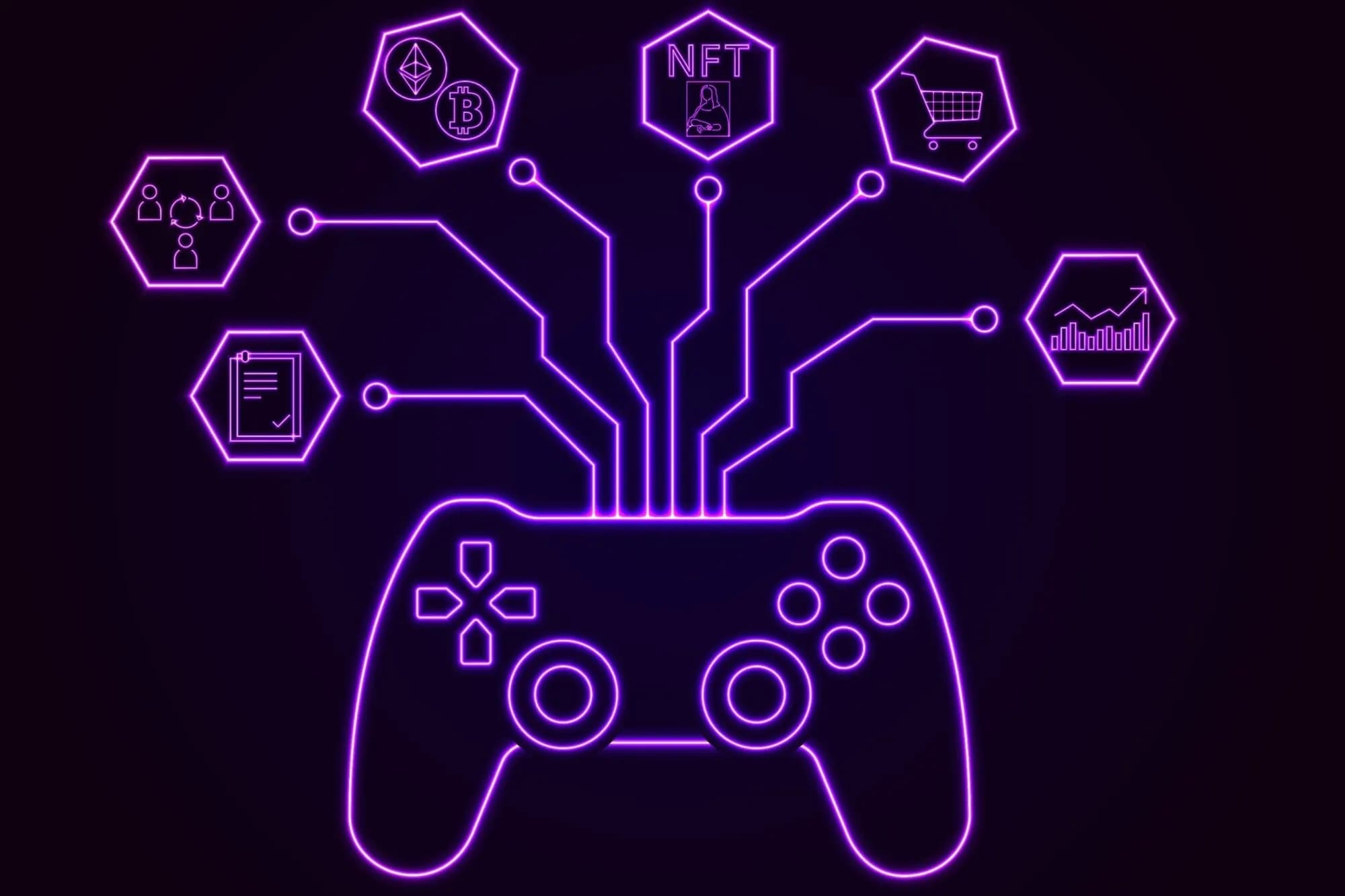
The world of gaming is evolving rapidly, and Web3 games are leading this transformation. Leveraging blockchain technology, these games offer unique opportunities for developers to create innovative experiences, integrate digital assets, and build strong player communities. From unique gameplay mechanics to NFT integration, blockchain opens new doors for both creativity and monetization. This article will guide you through the complete journey of a Web3 game developer, from the initial concept to the final launch.
Learning from Existing Projects
Studying existing projects is a critical step for any aspiring developer. By observing successful Web3 titles, you can gain inspiration, analyze market trends, and learn what strategies resonate with players. Platforms like BC Game Thailand provide excellent case studies for developers to understand what works in the space. Learning from these projects helps you avoid common pitfalls and design a game that stands out.
Key Areas to Study:
- Analyzing popular Web3 game mechanics
- Studying NFT integration and tokenomics
- Understanding community engagement
- Observing monetization strategies
Concept Development: From Idea to Game Plan
Once you have an understanding of the market, it’s time to focus on the idea and concept stage. This is where your crypto game truly begins to take shape. Start by brainstorming unique game concepts that offer fresh experiences while staying aligned with player interests. Define your target audience carefully and select a genre and platform that fit your vision. Whether it’s a play-to-earn RPG or a collectible card game, a strong concept lays the foundation for successful blockchain game development.
Prototyping and Choosing Game Development Tools
After defining the concept, move into prototyping and selecting the right tools. Choosing the proper game development tools and understanding blockchain integration are essential for building a functional and scalable Web3 game. Early prototypes allow you to test mechanics, tokenomics, and user experience before investing heavily in full-scale development.
Recommended Tools for Web3 Game Development:
- Smart contract platforms (Ethereum, Solana)
- NFT marketplaces (OpenSea, Rarible)
- Game engines compatible with blockchain (Unity, Unreal Engine)
- Analytics tools for player behavior
Testing and Smart Contract Audits
Once your prototype is ready, rigorous testing and smart contract audits are critical. Security is paramount in blockchain game development, and even minor bugs can lead to significant financial risks. Conduct extensive bug testing and invite your community to participate in beta testing. Feedback from early players can help refine gameplay, ensure smooth blockchain transactions, and strengthen overall game reliability.
Marketing and Launch Strategies
Marketing and launch strategies play a pivotal role in a game’s success. Effective promotion involves building a vibrant community, leveraging social media platforms, collaborating with influencers, and forming partnerships with blockchain networks. Using tokenomics creatively can attract early players and incentivize engagement, providing both value and a sustainable growth path for your NFT game or crypto game.
Developer Journey
In conclusion, the journey of a Web3 game developer is multifaceted, combining creativity, technical expertise, and strategic marketing. From brainstorming a unique concept to prototyping, integrating blockchain, conducting security audits, and launching with a strong community focus, each step is essential. Continuous support, regular updates, and analytics-driven improvements ensure that your Web3 game remains engaging and competitive in the ever-growing market. By following these steps, you can transform a simple idea into a successful blockchain-powered game that resonates with players worldwide.

Frequently Asked Questions (FAQ)
1. What is a Web3 game?
A Web3 game is a video game that leverages blockchain technology to provide players with decentralized ownership of in-game assets, digital currencies, and NFTs. Unlike traditional games, players can trade, sell, or earn rewards through transparent, blockchain-based mechanics.
2. How does blockchain game development differ from traditional game development?
Blockchain game development requires additional layers of programming for smart contracts, NFT integration, and crypto-based tokenomics. Developers must ensure security, implement decentralized transactions, and consider how blockchain features affect gameplay and player engagement.
3. What are the best game development tools for creating a Web3 game?
Popular game development tools for Web3 games include Unity and Unreal Engine for core game design, smart contract platforms like Ethereum and Solana for blockchain functionality, NFT marketplaces such as OpenSea and Rarible for digital assets, and analytics tools to track player behavior.
4. How important is testing and auditing in a crypto game?
Testing and auditing are crucial. Crypto games handle real financial value, so security vulnerabilities can lead to significant losses. Developers must conduct bug testing, smart contract audits, and community beta tests to ensure the game operates smoothly and securely.
5. How can I successfully launch and market my NFT game?
Marketing an NFT game involves community building, social media promotion, influencer partnerships, and strategic tokenomics. Engaging early players through incentives, highlighting unique features, and collaborating with blockchain platforms help attract and retain an active player base.